12 Healthy Recipes for Easy, Delicious and Balanced Homemade Meals
Eating well does not have to mean preparing complicated meals, buying expensive ingredients, or following a restrictive diet. Some of the most practical healthy meals are made with familiar foods such as eggs, oats, chicken, vegetables, beans, lentils, rice, yogurt, fruit, and simple homemade sauces.
This collection includes 12 easy healthy recipes designed for everyday home cooking. Each recipe includes ingredient quantities, preparation and cooking times, serving information, clear instructions, useful substitutions, and practical tips.
The goal is not to define one perfect way of eating. Nutritional needs differ according to age, activity, health conditions, lifestyle, culture, and personal preferences.
Instead, these recipes focus on variety, practical preparation, balanced ingredients, and meals that can realistically fit into everyday life.
Quick Healthy Meal Guide
If you are not sure what to prepare, use this quick guide.
| If You Need… | Try… | Approx. Time |
|---|---|---|
| A quick breakfast | Banana Oatmeal | 10 minutes |
| A protein-rich breakfast | Vegetable Egg Omelet | 15 minutes |
| A meal-prep lunch | Chicken Rice Bowl | 30 minutes |
| A vegetarian meal | Chickpea Vegetable Bowl | 25 minutes |
| A light dinner | Lemon Herb Fish | 30 minutes |
| A family dinner | Chicken & Vegetable Sheet Pan | 40 minutes |
| A budget meal | Lentil Tomato Soup | 35 minutes |
| A quick snack | Greek Yogurt Fruit Bowl | 5 minutes |
| An easy lunch | Tuna Bean Salad | 15 minutes |
| A one-pan meal | Turkey or Beef Vegetable Skillet | 30 minutes |
| A meat-free dinner | Vegetable Lentil Curry | 35 minutes |
| A make-ahead breakfast | Overnight Oats | 5 minutes + chilling |
What Makes a Recipe Healthy?
There is no single ingredient that automatically makes a meal healthy.
A practical balanced meal often combines several components.
Protein
Examples include:
- Eggs
- Chicken
- Fish
- Yogurt
- Beans
- Lentils
- Chickpeas
- Tofu
- Lean meats
Protein can help make meals more satisfying and contributes to many important functions in the body.
Vegetables and Fruits
Vegetables and fruits can provide:
- Fiber
- Vitamins
- Minerals
- Flavor
- Color
- Texture
Try using different colors and varieties rather than relying on the same vegetables every day.
Carbohydrate Sources
Examples include:
- Oats
- Brown rice
- Potatoes
- Whole-grain bread
- Quinoa
- Barley
- Whole-grain pasta
Carbohydrate needs and preferences differ between individuals, so choose portions that suit your own requirements.
Sources of Fat
Examples include:
- Olive oil
- Nuts
- Seeds
- Avocado
- Natural nut butter
These ingredients can also add flavor and texture to meals.
Simple Meal Formula
A useful approach is:
Protein + Vegetables or Fruit + Carbohydrate + Healthy Fat + Flavor
For example:
Chicken + broccoli + brown rice + olive oil + lemon and herbs
or:
Chickpeas + roasted vegetables + quinoa + avocado + yogurt dressing
1. Banana Cinnamon Oatmeal
Prep time: 3 minutes
Cook time: 7 minutes
Total time: 10 minutes
Servings: 1
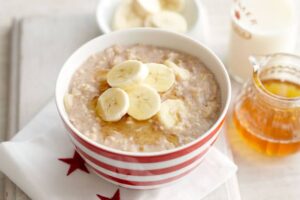
Oatmeal is one of the simplest breakfasts to customize with fruit, nuts, seeds, or yogurt.
Ingredients
- 1/2 cup rolled oats
- 1 cup milk or unsweetened plant-based milk
- 1 small banana
- 1/2 teaspoon cinnamon
- 1 tablespoon chopped walnuts or almonds
- 1 teaspoon chia seeds, optional
- 1 teaspoon honey, optional
Instructions
- Add oats and milk to a small saucepan.
- Cook over medium heat.
- Stir occasionally to prevent sticking.
- Cook until the oats are soft and creamy.
- Mash half of the banana and mix it into the oatmeal.
- Transfer to a bowl.
- Add the remaining banana slices.
- Sprinkle with cinnamon, nuts, and chia seeds.
- Add a small amount of honey if desired.
Useful Substitutions
Instead of banana, try:
- Apple
- Berries
- Pear
- Peaches
- Dates
Instead of walnuts, try almonds, pumpkin seeds, sunflower seeds, or another preferred topping.
2. Vegetable Egg Omelet
Prep time: 7 minutes
Cook time: 8 minutes
Total time: 15 minutes
Servings: 1–2
Adding vegetables to eggs is an easy way to create a filling breakfast or light lunch.
Ingredients
- 3 eggs
- 1/4 cup chopped bell pepper
- 1/4 cup chopped spinach
- 2 tablespoons chopped onion
- 2 tablespoons chopped tomato
- 1 teaspoon olive oil
- Black pepper to taste
- Small pinch of salt
- Fresh herbs, optional
Instructions
- Crack the eggs into a bowl.
- Add black pepper and a small pinch of salt.
- Whisk until combined.
- Heat olive oil in a non-stick pan over medium heat.
- Add onion and bell pepper.
- Cook for approximately 2 minutes.
- Add spinach and tomato.
- Cook briefly until the spinach begins to soften.
- Pour the eggs over the vegetables.
- Allow the eggs to cook until mostly set.
- Fold the omelet carefully.
- Cook for another minute before serving.
Serving Ideas
Serve with:
- Whole-grain toast
- Fresh fruit
- Avocado
- Plain yogurt
3. Chicken Brown Rice Bowl
Prep time: 10 minutes
Cook time: 20 minutes
Total time: 30 minutes
Servings: 4
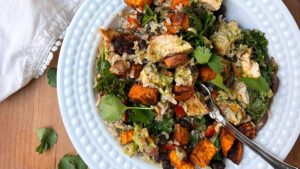
This bowl combines chicken, vegetables, rice, and a simple lemon dressing.
Ingredients
Chicken
- 1 lb boneless, skinless chicken breast
- 1 tablespoon olive oil
- 1 teaspoon paprika
- 1/2 teaspoon garlic powder
- 1/2 teaspoon dried oregano
- 1/2 teaspoon black pepper
- Salt to taste
- 1 tablespoon lemon juice
Bowl
- 3 cups cooked brown rice
- 2 cups broccoli
- 1 bell pepper, sliced
- 1 carrot, sliced
- 1 avocado, optional
- Fresh parsley or cilantro
Simple Dressing
- 2 tablespoons plain yogurt
- 1 tablespoon lemon juice
- 1 teaspoon olive oil
- Black pepper
- Small pinch of salt
Instructions
- Cut chicken into evenly sized pieces.
- Toss with olive oil, paprika, garlic powder, oregano, pepper, salt, and lemon juice.
- Heat a skillet over medium-high heat.
- Cook the chicken until browned and cooked through.
- Steam or sauté the vegetables until tender but not overly soft.
- Divide brown rice between four bowls.
- Add chicken and vegetables.
- Add sliced avocado if using.
- Mix the dressing ingredients together.
- Drizzle a small amount over each bowl.
- Finish with fresh herbs.
Meal-Prep Tip
Cook extra rice and chicken and store the components separately. Assemble bowls when needed rather than mixing everything together in advance.
4. Chickpea Vegetable Bowl
Prep time: 10 minutes
Cook time: 15 minutes
Total time: 25 minutes
Servings: 4
Chickpeas can be used to create an inexpensive vegetarian meal with plenty of texture.
Ingredients
- 2 cans chickpeas, drained and rinsed
- 1 zucchini, chopped
- 1 bell pepper, chopped
- 1 small red onion, sliced
- 1 tablespoon olive oil
- 1 teaspoon paprika
- 1/2 teaspoon cumin
- 1/2 teaspoon garlic powder
- 3 cups cooked quinoa or brown rice
- 1 cup chopped cucumber
- Lemon wedges
- Fresh herbs
Instructions
- Heat olive oil in a large skillet.
- Add onion, zucchini, and bell pepper.
- Cook for approximately 5 minutes.
- Add chickpeas.
- Season with paprika, cumin, garlic powder, salt, and pepper.
- Cook for another 5–7 minutes.
- Divide cooked quinoa or rice among bowls.
- Add chickpea mixture.
- Add fresh cucumber and herbs.
- Finish with lemon juice before serving.
Variation
Add plain yogurt, hummus, tahini dressing, or avocado depending on your preference.
5. Lemon Herb Baked Fish
Prep time: 10 minutes
Cook time: 15–20 minutes
Total time: 30 minutes
Servings: 4
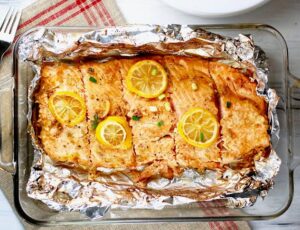
This recipe works with several types of mild fish fillets.
Ingredients
- 4 fish fillets
- 1 tablespoon olive oil
- Juice of 1 lemon
- 2 garlic cloves, minced
- 1 teaspoon dried parsley
- 1/2 teaspoon dried oregano
- Black pepper
- Salt to taste
- 2 cups broccoli or green beans
- 1 bell pepper, sliced
Instructions
- Preheat the oven to 400°F (205°C).
- Arrange fish on a baking tray.
- Place vegetables around the fish.
- Mix olive oil, lemon juice, garlic, parsley, oregano, pepper, and salt.
- Spoon the mixture over the fish.
- Toss the vegetables lightly in any remaining seasoning.
- Bake until the fish is cooked through.
- Check the thickest section before serving.
Cooking time may differ depending on the thickness and type of fish.
Serving Ideas
Serve with:
- Brown rice
- Quinoa
- Roasted potatoes
- Salad
6. Chicken and Vegetable Sheet-Pan Dinner
Prep time: 15 minutes
Cook time: 25–30 minutes
Total time: 40–45 minutes
Servings: 4
This sheet-pan dinner is practical because the protein and vegetables cook together and cleanup is minimal.
Ingredients
- 1 1/2 lb boneless chicken
- 1 medium sweet potato, cut into small cubes
- 2 cups broccoli
- 1 bell pepper
- 1 zucchini
- 2 tablespoons olive oil
- 1 teaspoon paprika
- 1 teaspoon garlic powder
- 1 teaspoon dried herbs
- Black pepper
- Salt to taste
Instructions
- Preheat the oven to 425°F (220°C).
- Place sweet potato on a large baking tray.
- Toss with a small amount of olive oil.
- Roast for approximately 10 minutes because the potatoes require more cooking time.
- Cut chicken and remaining vegetables into similar-sized pieces.
- Add them to the tray.
- Drizzle with remaining olive oil.
- Sprinkle with seasonings.
- Toss everything carefully.
- Spread the ingredients into a single layer.
- Bake for another 20–25 minutes.
- Check the chicken for doneness before serving.
Why Cut Size Matters
Evenly sized ingredients are more likely to finish cooking at approximately the same time.
7. Lentil Tomato Soup
Prep time: 10 minutes
Cook time: 25 minutes
Total time: 35 minutes
Servings: 5–6
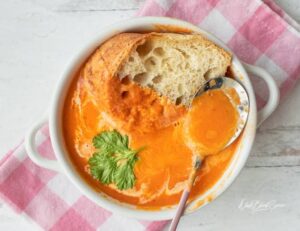
Lentils are inexpensive, easy to store, and useful for soups and vegetarian meals.
Ingredients
- 1 cup dry red or brown lentils
- 1 tablespoon olive oil
- 1 onion, chopped
- 2 carrots, chopped
- 2 garlic cloves, minced
- 1 can diced tomatoes
- 5 cups vegetable broth or water
- 1 teaspoon cumin
- 1/2 teaspoon paprika
- 1/2 teaspoon dried oregano
- Black pepper
- Salt to taste
- 2 cups spinach, optional
Instructions
- Rinse the lentils thoroughly.
- Heat olive oil in a large pot.
- Add onion and carrots.
- Cook for approximately 5 minutes.
- Add garlic and cook for 30 seconds.
- Stir in cumin, paprika, and oregano.
- Add tomatoes, lentils, and broth.
- Bring to a boil.
- Reduce to a gentle simmer.
- Cook until the lentils are tender.
- Add spinach during the final few minutes if using.
- Taste and adjust the seasoning.
Make It Creamier
Blend approximately one-quarter of the soup and stir it back into the pot.
This creates a thicker texture without adding cream.
8. Greek Yogurt Fruit Bowl
Prep time: 5 minutes
Total time: 5 minutes
Servings: 1
This is useful as a quick breakfast, snack, or light dessert.
Ingredients
- 1 cup plain Greek yogurt
- 1/2 cup berries
- 1/2 banana, sliced
- 1 tablespoon chopped nuts
- 1 teaspoon chia or flax seeds
- Cinnamon
- 1 teaspoon honey, optional
Instructions
- Spoon yogurt into a bowl.
- Add berries and banana.
- Sprinkle with nuts and seeds.
- Add cinnamon.
- Add honey if desired.
Variations
Try combinations such as:
- Apple + cinnamon + walnuts
- Peach + almonds
- Strawberry + chia seeds
- Banana + peanut butter
9. Tuna and White Bean Salad
Prep time: 15 minutes
Total time: 15 minutes
Servings: 3–4
This no-cook recipe uses pantry ingredients and works well for lunch.
Ingredients
- 2 cans tuna, drained
- 1 can white beans, drained and rinsed
- 1 cup chopped cucumber
- 1 cup cherry tomatoes
- 1/4 red onion, thinly sliced
- 2 tablespoons chopped parsley
- 1 tablespoon olive oil
- 2 tablespoons lemon juice
- Black pepper
- Salt to taste
Instructions
- Add tuna and beans to a large bowl.
- Add cucumber, tomatoes, onion, and parsley.
- Mix olive oil and lemon juice.
- Pour the dressing over the salad.
- Add pepper and a small amount of salt.
- Toss gently.
- Serve immediately or refrigerate until needed.
Serving Ideas
Serve with:
- Whole-grain toast
- Lettuce
- Whole-grain pita
- Cooked quinoa
10. Beef and Vegetable Skillet
Prep time: 10 minutes
Cook time: 20 minutes
Total time: 30 minutes
Servings: 4
This meal uses vegetables to add volume, flavor, and variety rather than making meat the only major ingredient.
Ingredients
- 1 lb lean ground beef
- 1 onion, chopped
- 1 bell pepper, chopped
- 1 zucchini, chopped
- 1 cup mushrooms
- 2 garlic cloves, minced
- 1 can diced tomatoes
- 1 teaspoon paprika
- 1/2 teaspoon cumin
- Black pepper
- Salt to taste
Instructions
- Heat a large skillet over medium heat.
- Add ground beef.
- Break it into smaller pieces as it cooks.
- Add onion.
- Continue cooking until the beef is browned.
- Drain excess fat if necessary.
- Add garlic, bell pepper, zucchini, and mushrooms.
- Cook for approximately 5 minutes.
- Add tomatoes and seasonings.
- Simmer until the vegetables reach your preferred texture.
Serving Options
Serve with:
- Brown rice
- Quinoa
- Baked potato
- Whole-grain pasta
- Salad
11. Vegetable Lentil Curry
Prep time: 10 minutes
Cook time: 25 minutes
Total time: 35 minutes
Servings: 4
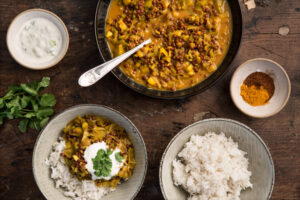
This plant-based curry uses lentils, vegetables, tomatoes, and spices.
Ingredients
- 1 cup red lentils
- 1 tablespoon oil
- 1 onion, chopped
- 3 garlic cloves, minced
- 1 teaspoon grated ginger
- 1 carrot, chopped
- 1 bell pepper, chopped
- 1 can diced tomatoes
- 3 cups vegetable broth
- 1 tablespoon curry powder
- 1/2 teaspoon turmeric
- 1/2 teaspoon cumin
- 2 cups spinach
- Black pepper
- Salt to taste
Instructions
- Rinse the lentils.
- Heat oil in a large saucepan.
- Add onion and carrot.
- Cook for approximately 4–5 minutes.
- Add garlic and ginger.
- Stir in curry powder, turmeric, and cumin.
- Add lentils, tomatoes, and broth.
- Bring to a simmer.
- Cook until the lentils are soft.
- Add bell pepper midway through cooking.
- Stir in spinach near the end.
- Taste and adjust the seasoning.
Serve with brown rice or another preferred grain.
12. Easy Overnight Oats
Prep time: 5 minutes
Chilling time: Overnight or several hours
Servings: 1
Overnight oats are useful when mornings are busy because breakfast can be prepared ahead.
Ingredients
- 1/2 cup rolled oats
- 1/2 cup milk
- 1/3 cup plain yogurt
- 1 teaspoon chia seeds
- 1/2 cup fruit
- Cinnamon
- 1 teaspoon honey or maple syrup, optional
Instructions
- Add oats to a jar or covered container.
- Add milk, yogurt, and chia seeds.
- Stir until combined.
- Add cinnamon.
- Cover the container.
- Refrigerate for several hours or overnight.
- Add fruit before serving.
Flavor Ideas
Try:
Apple Cinnamon
Add diced apple, cinnamon, and walnuts.
Berry
Add strawberries, blueberries, or raspberries.
Banana Nut
Add banana, peanut butter, and chopped nuts.
How to Build a Balanced Meal
You do not need a completely different recipe every day.
Use this basic structure.
Step 1: Choose a Protein
Examples:
- Chicken
- Fish
- Eggs
- Beans
- Lentils
- Chickpeas
- Yogurt
- Tofu
- Lean meat
Step 2: Choose Vegetables
Examples:
- Broccoli
- Spinach
- Carrots
- Tomatoes
- Bell peppers
- Zucchini
- Green beans
- Cabbage
Step 3: Add a Carbohydrate Source
Examples:
- Brown rice
- Potatoes
- Oats
- Quinoa
- Whole-grain pasta
- Whole-grain bread
Step 4: Add Flavor
Use:
- Herbs
- Spices
- Garlic
- Ginger
- Lemon
- Lime
- Vinegar
- Yogurt-based sauces
- Homemade dressings
Step 5: Add an Appropriate Source of Fat
Examples include:
- Olive oil
- Avocado
- Nuts
- Seeds
The amounts and proportions that suit one person may not be appropriate for another, so adjust portions according to your individual needs.
7-Day Healthy Meal Plan
A meal plan can reduce last-minute decisions and make grocery shopping easier.
| Day | Breakfast | Lunch | Dinner |
|---|---|---|---|
| Monday | Banana Oatmeal | Chicken Rice Bowl | Lentil Tomato Soup |
| Tuesday | Vegetable Omelet | Tuna Bean Salad | Sheet-Pan Chicken |
| Wednesday | Overnight Oats | Chickpea Bowl | Lemon Herb Fish |
| Thursday | Yogurt Fruit Bowl | Leftover Lentil Soup | Beef Vegetable Skillet |
| Friday | Vegetable Omelet | Chicken Rice Bowl | Vegetable Lentil Curry |
| Saturday | Banana Oatmeal | Tuna Bean Salad | Sheet-Pan Chicken |
| Sunday | Overnight Oats | Chickpea Bowl | Fish or Lentil Curry |
This plan is only an example.
Meals can be swapped according to availability, preferences, budget, or dietary requirements.
Budget-Friendly Healthy Grocery List
Eating balanced meals does not always require expensive specialty foods.
A practical grocery list can include ingredients that work in several meals.
Protein
- Eggs
- Chicken
- Canned tuna
- Lentils
- Chickpeas
- Beans
- Plain yogurt
Vegetables
- Carrots
- Onions
- Tomatoes
- Broccoli
- Spinach
- Bell peppers
- Cabbage
- Frozen mixed vegetables
Fruits
Choose affordable seasonal options such as:
- Bananas
- Apples
- Oranges
- Seasonal berries
- Pears
Carbohydrate Sources
- Oats
- Rice
- Potatoes
- Whole-grain bread
- Whole-grain pasta
Flavor Ingredients
- Garlic
- Ginger
- Lemons
- Black pepper
- Paprika
- Cumin
- Dried herbs
- Curry powder
Useful Pantry Foods
- Canned tomatoes
- Beans
- Lentils
- Tuna
- Oats
- Rice
- Broth
- Spices
Choosing ingredients that can appear in multiple recipes can help reduce both grocery costs and food waste.
Healthy Meal-Prep Strategy
Meal preparation does not have to mean cooking seven complete meals at once.
A more flexible approach is to prepare individual components.
Cook a Grain
Prepare a batch of:
- Brown rice
- Quinoa
- Barley
Use it for lunches and dinners throughout the next few meals.
Prepare a Protein
Cook chicken, lentils, beans, eggs, or another protein source.
Prepare Vegetables
Depending on the vegetable, you may:
- Wash it
- Chop it
- Roast it
- Steam it
- Store it appropriately for later use
Make One Dressing
A simple dressing can be made with:
- Olive oil
- Lemon juice
- Mustard
- Herbs
- Black pepper
Build Different Meals
The same ingredients can become:
Day 1: Chicken rice bowl
Day 2: Chicken salad
Day 3: Chicken and vegetable wrap
This helps keep meal preparation practical without eating exactly the same meal every day.
How to Make Healthy Food Taste Better
Nutritious meals should still be enjoyable.
Use Aromatics
Ingredients such as:
- Garlic
- Ginger
- Onion
can create a flavorful base.
Add Herbs
Try:
- Parsley
- Cilantro
- Basil
- Mint
- Oregano
Experiment With Spices
Examples include:
- Paprika
- Cumin
- Turmeric
- Curry powder
- Black pepper
- Chili powder
Add Acidity
Lemon juice, lime juice, or vinegar can brighten many dishes.
Use Different Cooking Methods
Broccoli tastes different when it is:
- Steamed
- Roasted
- Grilled
- Stir-fried
Changing the cooking method can make familiar ingredients more interesting.
Common Healthy Cooking Mistakes
Making Food Too Restrictive
Removing every ingredient you enjoy can make a meal difficult to maintain as part of your normal routine.
Instead, focus on overall meal balance and reasonable portions.
Forgetting Protein
Some meals consist mostly of vegetables or carbohydrates and may not feel satisfying.
Consider adding an appropriate protein source.
Ignoring Flavor
Healthy cooking does not require bland food.
Herbs, spices, garlic, citrus, and sauces can make simple ingredients more enjoyable.
Depending on One Food
Eating the same small group of foods every day limits variety.
Rotate vegetables, fruit, protein sources, and grains where possible.
Assuming “Healthy” Means Unlimited
Even nutritious foods can contribute significant energy depending on portion size.
Individual needs differ, so portions should fit the person rather than a universal rule.
Changing Your Entire Diet Overnight
Small changes are often easier to maintain.
For example:
Instead of changing every meal at once, start by adding vegetables to dinner or preparing breakfast at home more often.
Smart Ingredient Substitutions
Sometimes an ingredient is unavailable or does not fit your preferences.
Protein Substitutions
Chicken → Tofu, beans, fish, turkey
Ground beef → Turkey, lentils, beans
Tuna → Chicken, chickpeas, eggs
Grain Substitutions
Brown rice → Quinoa, barley, couscous
Quinoa → Rice or another preferred grain
Oats → Another suitable breakfast grain
Vegetable Substitutions
Broccoli → Cauliflower
Spinach → Kale or another leafy green
Bell pepper → Zucchini or carrots
The final flavor, texture, and cooking time may change when substitutions are made.
How to Store Prepared Food
Proper storage is an important part of healthy meal preparation.
Use clean food-storage containers and refrigerate suitable perishable foods promptly.
Label Containers
Writing the preparation date on containers can help you keep track of leftovers.
Keep Some Components Separate
Ingredients such as:
- Salad greens
- Dressings
- Avocado
- Crispy toppings
may keep their texture better when stored separately.
Reheat Properly
Foods that require reheating should be heated appropriately before serving.
When the storage history of a food is uncertain, avoid taking unnecessary food-safety risks.
Food Safety During Healthy Cooking
Healthy ingredients still need safe preparation.
When preparing raw meat, poultry, fish, or eggs:
- Wash your hands properly.
- Keep raw ingredients away from ready-to-eat foods.
- Clean utensils and preparation surfaces.
- Use separate equipment when necessary.
- Refrigerate perishable foods promptly.
A food thermometer can provide a more dependable measure of doneness than appearance alone for foods where internal temperature is important.
Cooking time should always be treated as an estimate because thickness, cookware, appliance performance, and starting temperature can influence results.
How to Eat Healthy on a Busy Schedule
Time is one of the biggest reasons people rely on convenience food.
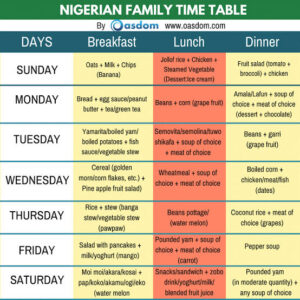
A few simple strategies can help.
Keep Fast Ingredients Available
Examples include:
- Eggs
- Canned beans
- Tuna
- Frozen vegetables
- Oats
- Yogurt
- Fruit
- Cooked grains
Choose One-Pan Meals
Sheet-pan dinners and skillet meals reduce both preparation and washing up.
Cook Extra Portions
If you are already preparing chicken, rice, lentils, or vegetables, making an additional portion can save time the following day.
Keep Emergency Meals
An emergency meal is a simple meal you can prepare when plans change.
Examples:
- Eggs and toast
- Oatmeal with fruit
- Bean and rice bowl
- Tuna salad
- Vegetable omelet
These meals are usually faster than deciding what to cook at the last minute.
Frequently Asked Questions About Healthy Recipes
What is a healthy recipe?
A healthy recipe generally combines nutritious ingredients in suitable portions using practical cooking methods.
The appropriate meal depends on individual nutritional requirements.
Are healthy meals expensive?
They do not have to be.
Affordable foods such as oats, beans, lentils, eggs, rice, potatoes, seasonal produce, and frozen vegetables can be used to prepare many balanced meals.
What is the easiest healthy breakfast?
Some simple options include:
- Oatmeal with fruit
- Eggs with vegetables
- Plain yogurt with fruit and nuts
- Whole-grain toast with eggs
- Overnight oats
What is a healthy dinner I can make quickly?
Quick options include:
- Chicken and vegetable skillet
- Fish with vegetables
- Lentil soup
- Chickpea bowls
- Egg-based meals
- Chicken rice bowls
Can frozen vegetables be healthy?
Frozen vegetables can be a practical option, particularly when fresh produce is unavailable, expensive, or likely to go to waste.
Check packaged products for added sauces or seasonings if these matter to your dietary needs.
Can I prepare healthy meals in advance?
Yes.
Grains, cooked proteins, vegetables, soups, stews, and certain breakfast foods can often be prepared ahead.
Store foods appropriately and follow suitable food-safety practices.
Do healthy meals help with weight loss?
Balanced meals can be part of many different eating patterns, including approaches to weight management.
However, body weight is influenced by total energy intake, activity, health conditions, medications, genetics, lifestyle, and other factors.
People seeking individualized weight-management advice should consult an appropriately qualified healthcare professional or registered dietitian.
How do I make vegetables taste better?
Try:
- Roasting
- Grilling
- Sautéing
- Adding herbs
- Adding spices
- Using lemon or lime
- Adding a homemade dressing
Different cooking methods can dramatically change the flavor and texture of vegetables.
Do I need expensive “superfoods”?
No single expensive ingredient is necessary for a balanced diet.
Ordinary foods such as eggs, oats, beans, lentils, vegetables, fruit, yogurt, potatoes, and whole grains can form the basis of many nutritious meals.
What should I cook when I have very little time?
Choose recipes that use minimal ingredients and fast cooking methods.
Good options include:
- Omelets
- Yogurt bowls
- Oatmeal
- Tuna salad
- Grain bowls
- Stir-fries
Healthy cooking does not need to be complicated.The most useful approach is usually one that fits your schedule, budget, preferences, household, and nutritional needs.
Start with a few simple meals that you enjoy.
Learn how to prepare basic ingredients such as:
- Eggs
- Chicken
- Lentils
- Rice
- Vegetables
- Oats
Then use different vegetables, herbs, spices, sauces, and cooking methods to create variety.
A healthy eating routine does not need to be perfect.
Small habits such as cooking more meals at home, adding vegetables to familiar recipes, planning several meals before shopping, keeping useful ingredients available, and reducing unnecessary food waste can make everyday cooking easier and more sustainable.
The best recipes are not simply the ones that look nutritious on paper.
They are the recipes you enjoy, can prepare confidently, and can realistically include in your everyday life.